Shipping cargo from one place to another may sound straightforward, but not every shipment can be handled in the same way. Regular cargo can usually move through standard freight processes, while dangerous goods require additional planning, documentation, packaging and safety measures.
At IMEX Cargo LLC, we understand that dangerous goods shipping requires a higher level of attention. From classification and packaging to documentation and customs clearance, every part of the shipment needs to meet the applicable safety and transport requirements. With more than 15 years of experience in freight forwarding and logistics, we help businesses move different types of cargo safely across air, sea and land networks.
What Are Dangerous Goods?
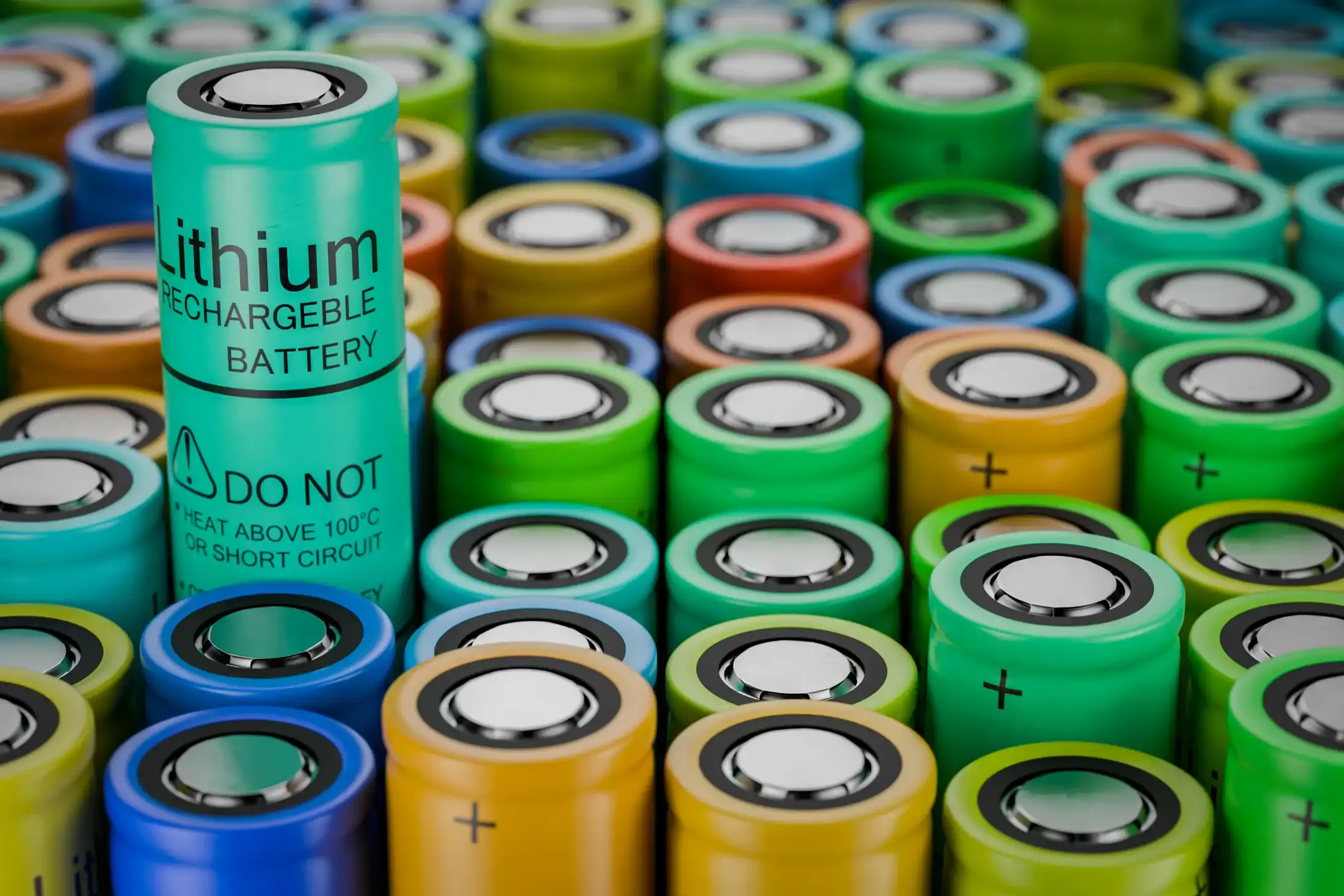
Dangerous goods are products or substances that can create a risk to people, property, transportation or the environment when they are transported. These can include chemicals, perfumes, aerosols, batteries and other regulated materials.
Some products may not look dangerous during normal use but can become hazardous during transportation. For example, lithium batteries can present fire risks under certain conditions, while perfumes and chemicals may have specific requirements for packaging, handling and transportation.
This is why dangerous goods cannot simply be packed and shipped in the same way as ordinary commercial cargo.
Classification Is the First Major Difference
One of the biggest differences between regular cargo and dangerous goods is classification.
Before a dangerous goods shipment moves, the product needs to be correctly identified and classified according to the relevant transport regulations. The classification helps determine how the cargo should be packed, labelled, documented and transported.
At IMEX, our DG cargo handling services cover the classification and documentation requirements associated with dangerous goods. Our trained professionals coordinate the necessary processes for shipments moving by air, sea and land.
Packaging Needs More Attention
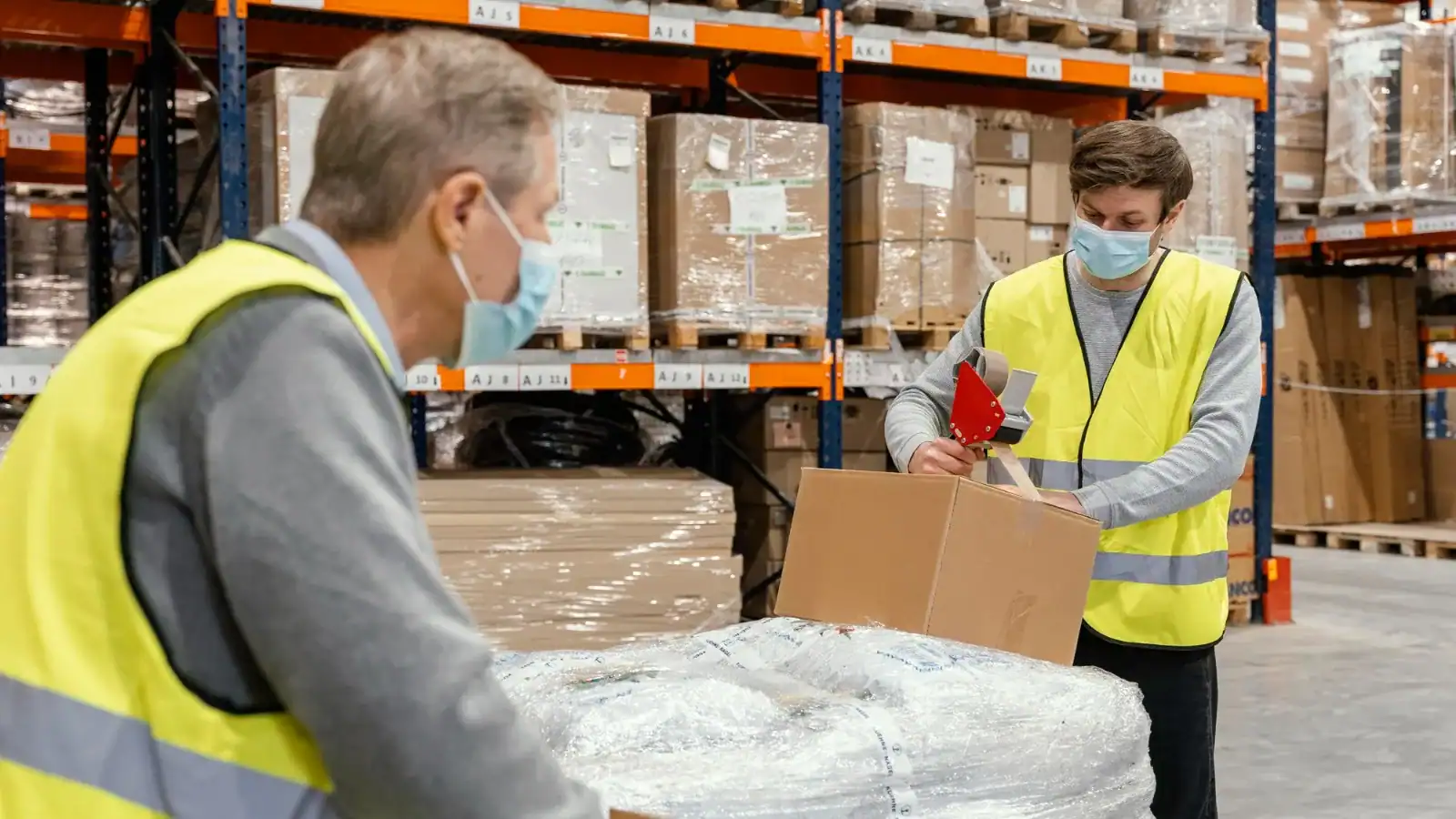
Regular cargo generally needs packaging that protects the product from damage during handling and transportation. Dangerous goods often require packaging that also helps prevent leakage, contamination, breakage or other safety risks.
The packaging requirements depend on the nature of the product and its classification. Incorrect packaging can result in shipment rejection, delays or compliance problems.
IMEX provides customized packaging solutions, including wooden boxes, pallets, repacking, crating and DG cargo packaging. This allows businesses to prepare their goods according to the requirements of the shipment and its transportation method.
Documentation Cannot Be Treated as an Afterthought
Documentation is another important difference.
Regular shipments still require commercial and transportation documents, but dangerous goods shipments can involve additional declarations, safety information and regulatory paperwork. Incorrect or incomplete documentation can cause cargo to be held at an airport, seaport, warehouse or customs facility.
Our team at IMEX supports documentation throughout the DG shipping process. We also provide customs clearance services for dangerous goods, including documentation, regulatory coordination and clearance support at airports, seaports and land borders.
Transportation Rules Can Vary
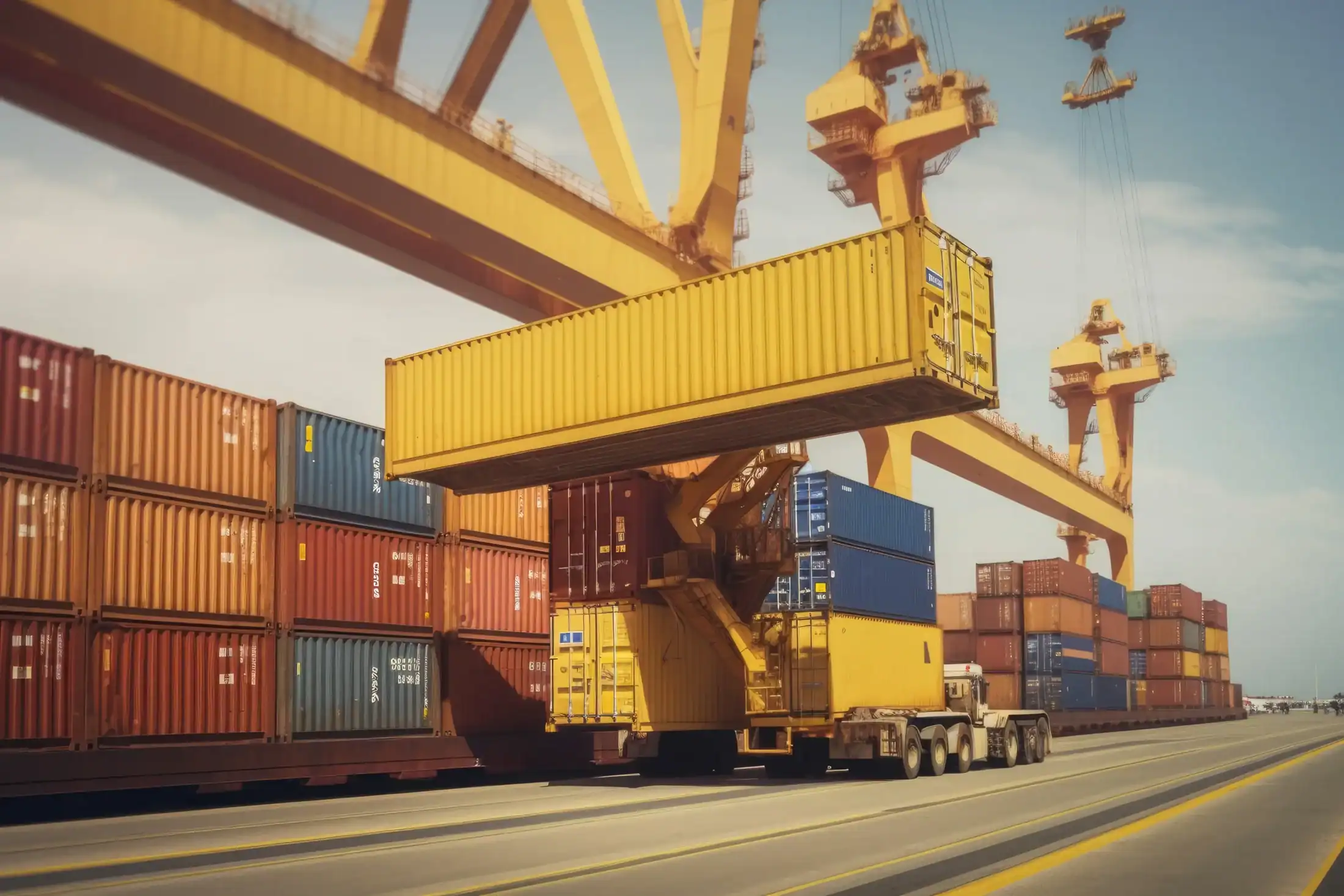
Dangerous goods requirements can change depending on how the cargo is transported.
Air freight is often subject to particularly strict requirements because of the conditions involved in aircraft transportation. Ocean freight follows its own dangerous goods requirements, while road transportation also has specific regulations.
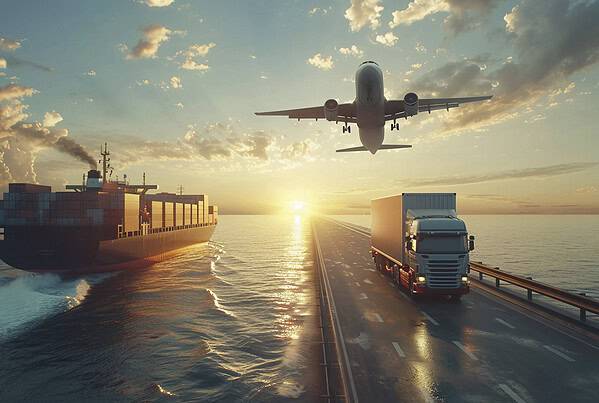
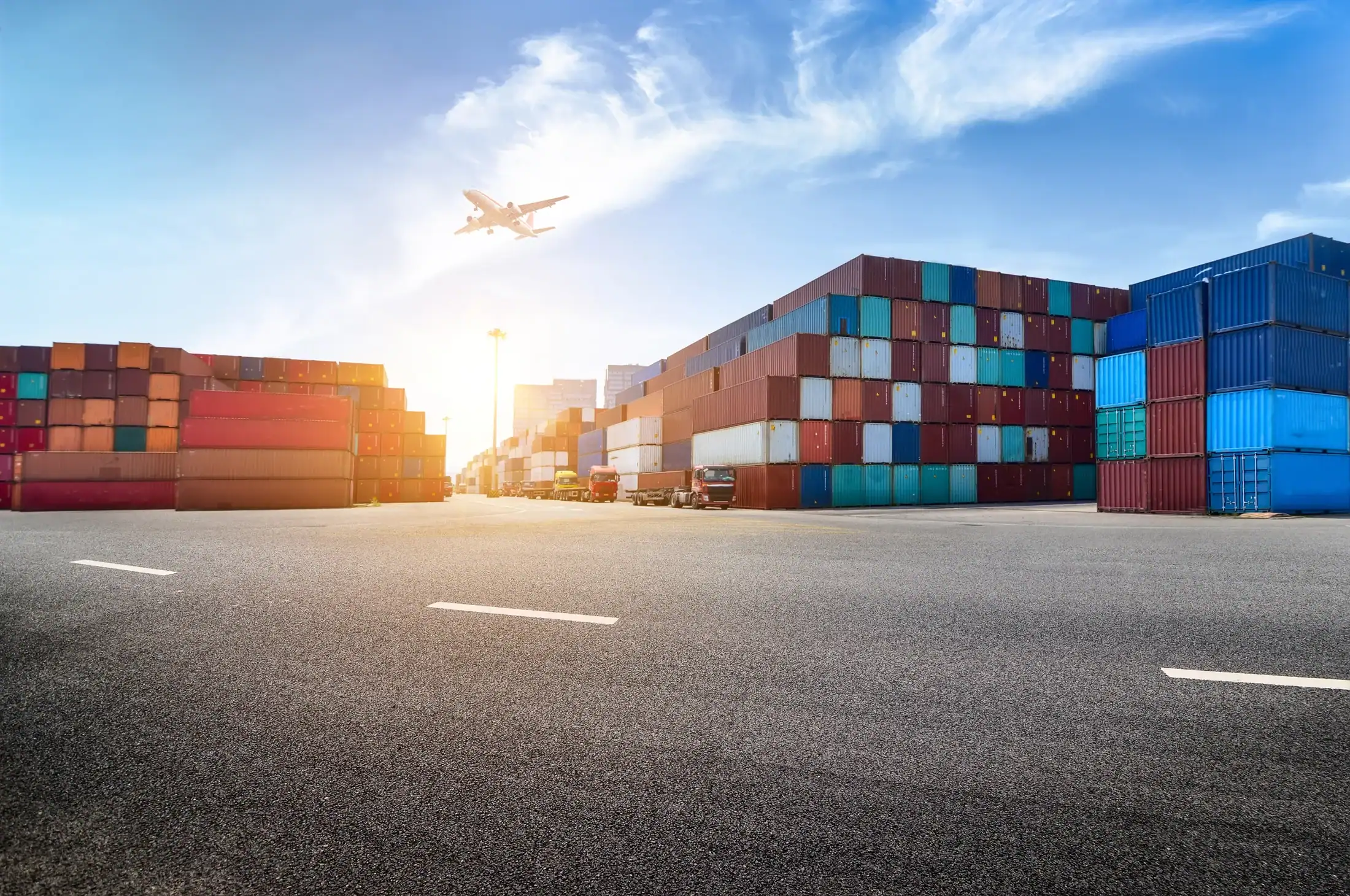
IMEX provides air freight, ocean freight and land freight services, including specialized DG cargo handling. Our air freight services include dangerous goods cargo, urgent shipments and time sensitive cargo. Our ocean freight services cover FCL and LCL shipments, while our land freight network supports transportation throughout the UAE and GCC.
Storage and Handling Also Matter
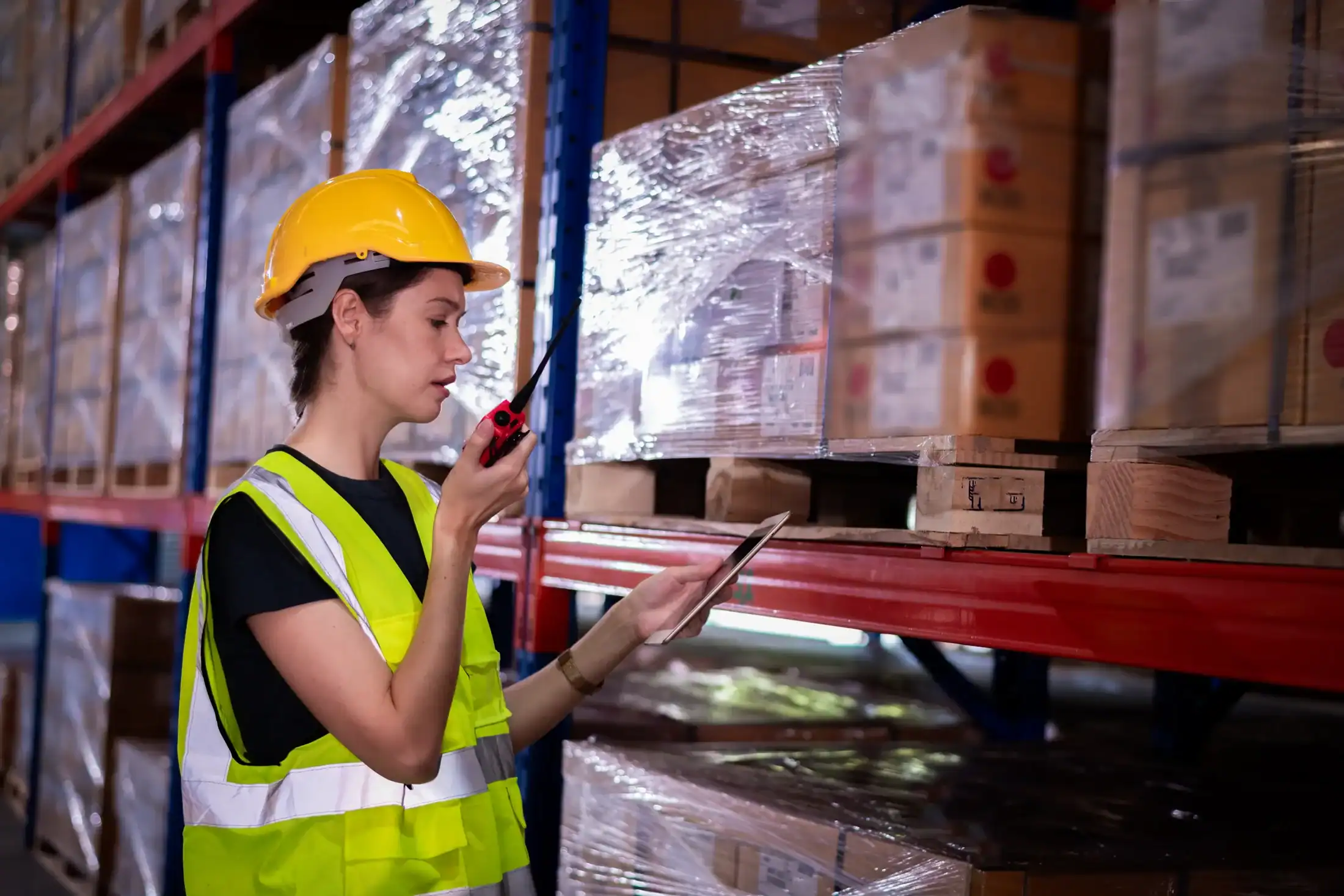
Dangerous goods need to be handled carefully even when they are not moving between locations.
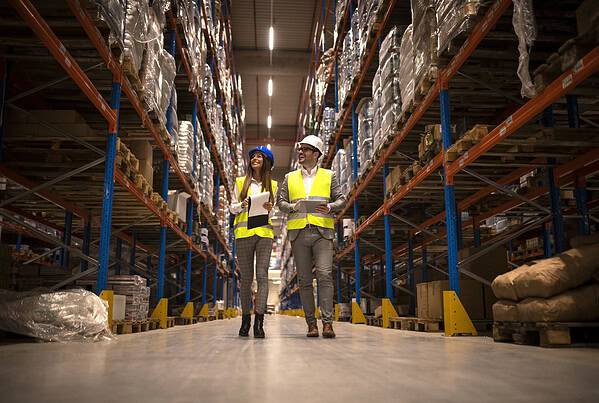
Storage conditions, segregation, labelling, security and handling procedures can all be important depending on the type of goods. IMEX operates three warehouses in the UAE, including a JAFZA facility that supports dangerous goods storage with certified facilities, 24 hour operations and strict safety standards.
This gives businesses access to a logistics setup where transportation, storage and other supporting services can be managed through one experienced logistics partner.
Customs Clearance Requires Greater Care
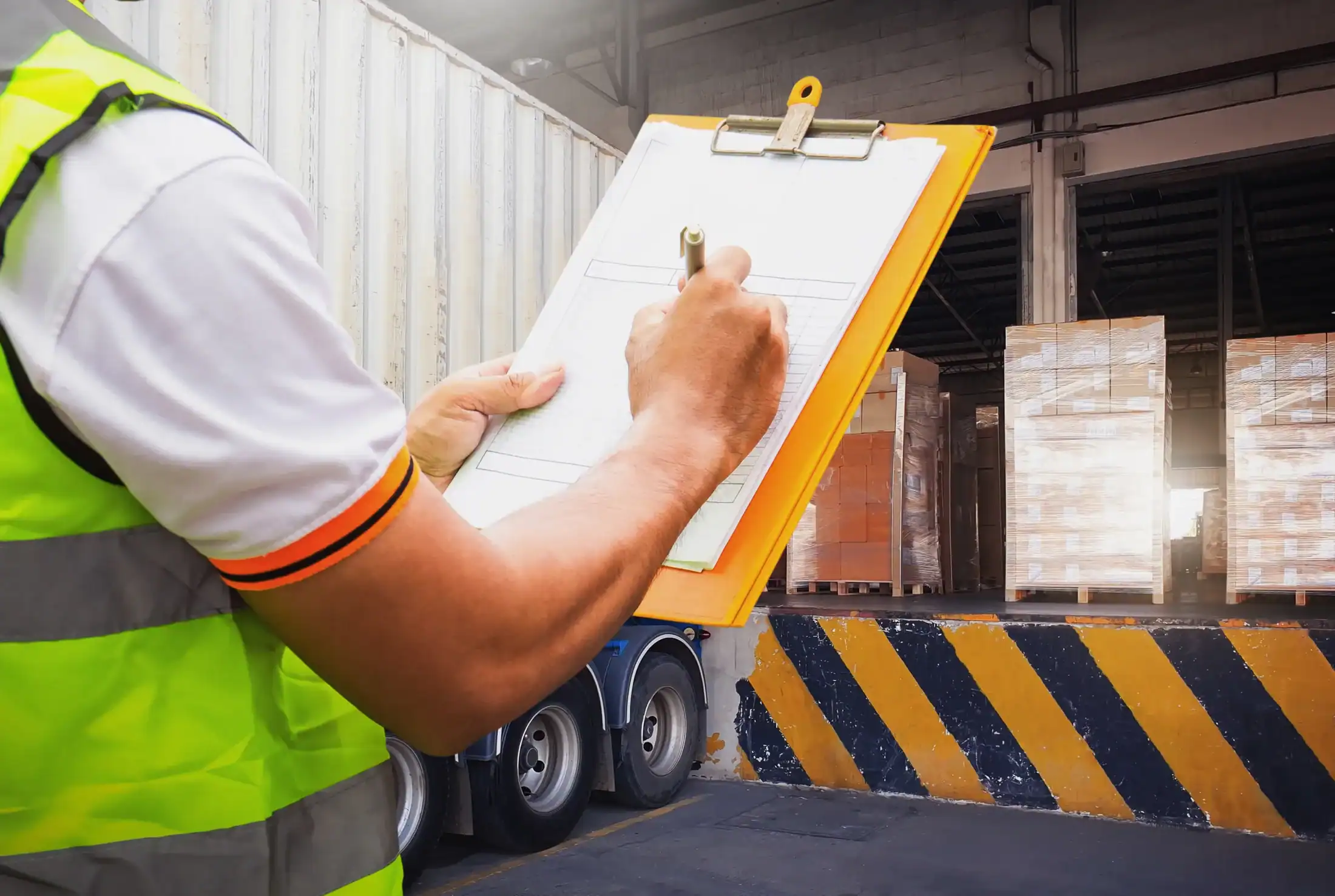
A shipment can be correctly packed and documented but still face problems if customs requirements are not properly handled.
Dangerous goods may require additional documentation, approvals or regulatory coordination. At IMEX, our customs clearance team handles import and export procedures across Dubai’s airports, seaports and land borders. Our services also include DG customs clearance, tariff classification and coordination with relevant authorities.
Why Choose IMEX for Dangerous Goods Shipping?
At IMEX, we provide more than transportation. Our DG cargo handling service covers classification, documentation, packaging, labelling and coordination across different modes of transport. We handle dangerous goods including perfumes, chemicals, lithium batteries and aerosols, supporting businesses that need safe and compliant cargo movement.
Our wider logistics services include air freight, ocean freight, land freight, perfume movement, packaging solutions, warehousing and distribution, customs clearance and courier services. This means businesses can coordinate multiple parts of their supply chain with one experienced logistics provider.
Dangerous goods shipping requires careful planning at every stage, and choosing the right logistics partner can make the process much easier. At IMEX, we combine experienced freight forwarding, specialized DG handling, packaging, warehousing, customs clearance and international transportation support to help businesses move their cargo safely and efficiently. If you are planning a dangerous goods shipment from Dubai or need support with an upcoming international cargo movement, contact us at IMEX and let our team help you find the right logistics solution.
What types of dangerous goods can IMEX handle?
IMEX handles different categories of dangerous goods, including perfumes, chemicals, lithium batteries, aerosols and other regulated materials. Our team manages the required processes for safe and compliant transportation.
Does IMEX provide dangerous goods packaging?
Yes. IMEX provides DG cargo packaging along with wooden box packaging, pallet packaging, repacking and crating services to help prepare cargo for transportation.
Can IMEX transport dangerous goods by air, sea and land?
Yes. IMEX provides dangerous goods handling across air, sea and land transportation, with processes designed around the requirements of each transportation method.
Does IMEX provide customs clearance for dangerous goods?
Yes. IMEX provides DG customs clearance and supports documentation, tariff classification and regulatory coordination for dangerous goods shipments.
How can I contact IMEX for dangerous goods shipping?
If you need help with dangerous goods shipping, packaging, documentation, customs clearance or transportation, contact IMEX Cargo LLC to discuss your shipment and request a quote.