
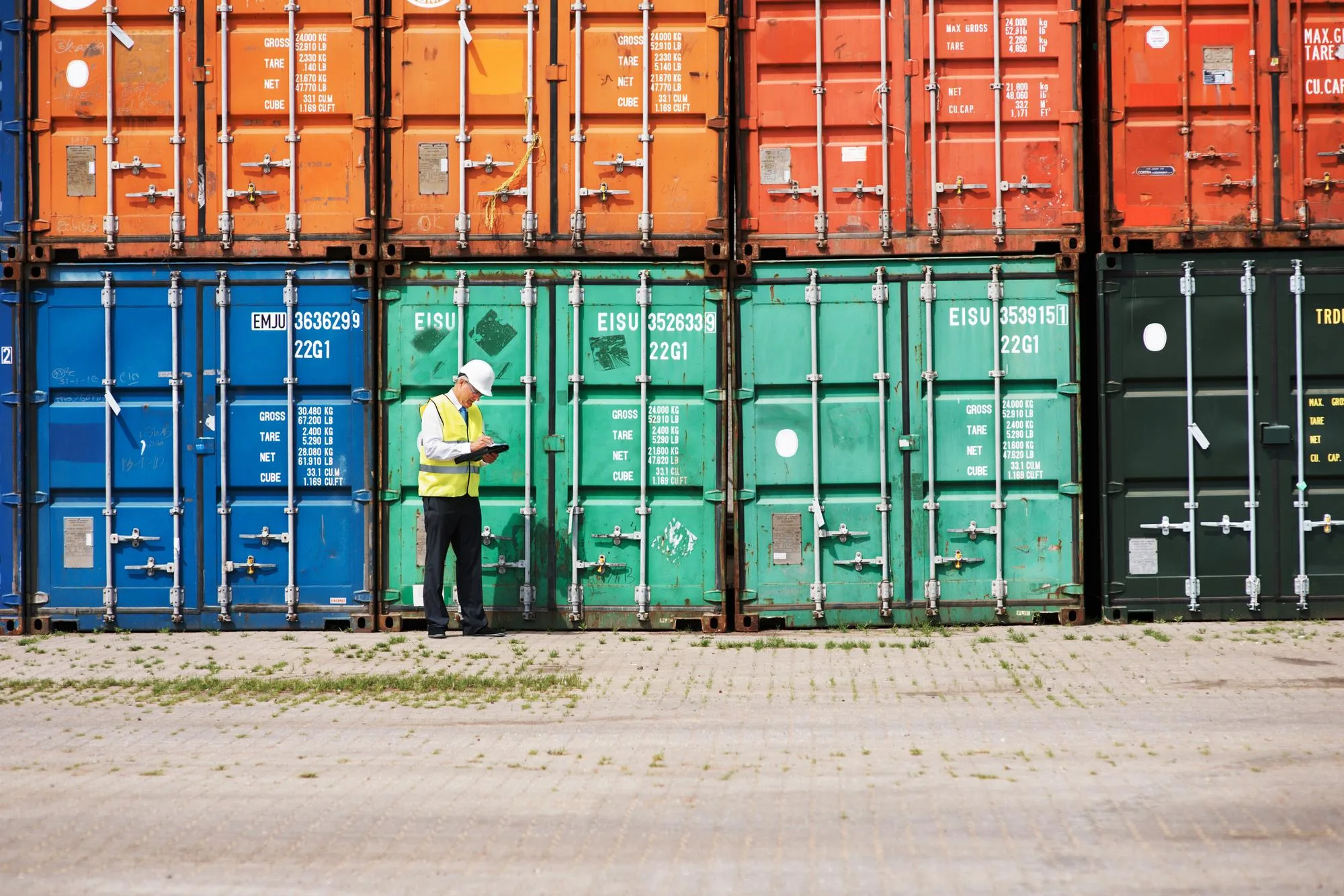
When goods are imported into the UAE, customs authorities need to know more than the type, quantity and value of the products. They also need to know where those goods were actually produced or manufactured. This is where country of origin rules become important. For businesses handling Customs clearance Dubai, having accurate origin information can make the difference between a straightforward clearance process and unnecessary questions, document checks or delays.
What Does Country of Origin Mean?

Country of origin refers to the country where a product is produced, manufactured or obtained according to the applicable rules of origin. It does not always mean the country from which the goods were shipped.
For example, a product may be manufactured in China, stored in another country and then shipped to the UAE. Simply shipping the product from that second country does not normally change its country of origin. The actual manufacturing process and the applicable origin rules determine how the product is classified.
UAE legislation distinguishes between preferential and non preferential origin. Preferential origin can be relevant when a trade agreement provides certain customs benefits. Non preferential origin is generally used for wider customs and trade purposes.
Why Country of Origin Matters During Customs Clearance
Country of origin information can affect how customs authorities assess a shipment. It can be relevant when determining preferential treatment, applying trade measures and checking whether the documentation submitted with the shipment is consistent.
Dubai Customs explains that origin can be determined through criteria such as goods being wholly obtained in a country or undergoing substantial transformation. Substantial transformation may involve a change in tariff classification, value added or specific manufacturing operations. Simple activities such as packaging or preserving goods for transportation may not be enough to give the product a new origin.
This is particularly important for businesses importing products that contain materials from several countries. A product may pass through multiple stages of production before reaching the UAE, so the origin cannot always be determined simply by looking at the final shipping location.
The Role of the Certificate of Origin

One of the key documents used to establish origin is the Certificate of Origin. It provides evidence of where the goods were produced and is often part of the documentation required for international shipments.
The UAE Ministry of Economy and Tourism provides different Certificate of Origin services, including certificates for GCC countries, general certificates and certificates connected with specific trade arrangements.
For businesses exporting from Dubai, the Dubai Chambers also has specific requirements for Certificates of Origin. The information on the certificate application must correspond with the commercial invoice, including details such as the country of origin.
This means businesses should not treat the Certificate of Origin as a formality. A mismatch between the certificate, invoice and actual goods can create questions during customs processing.
Common Problems Caused by Incorrect Origin Information
One common problem is a difference between the country stated on the commercial invoice and the country shown on the Certificate of Origin. Another issue can occur when goods have undergone manufacturing or processing in more than one country and the exporter assumes that the final shipping country is automatically the country of origin.
Incorrect or incomplete information may result in additional document requests or customs verification. UAE rules also allow authorities to review origin documents when there are concerns about the validity of the information provided.
For importers, checking origin details before the shipment reaches the UAE is therefore a practical step that can help avoid unnecessary complications.
How IMEX Cargo LLC Helps Businesses
At IMEX Cargo LLC, we understand that customs clearance is not simply about submitting paperwork. Every shipment needs to be checked carefully so that the documentation, classification and cargo details are properly aligned.
Our in house customs clearance team has more than 15 years of experience handling import and export procedures across airports, seaports and land borders in the UAE. We support documentation handling, tariff classification, duty coordination and customs procedures for different types of cargo.
Our services also cover air freight, ocean freight, land freight, warehousing, packaging, dangerous goods handling, perfume movement and courier services. This allows us to support businesses beyond the customs declaration itself.
Our JAFZA logistics facility is another important part of our operations. It provides access to major trade routes and supports general as well as dangerous goods cargo, with customs and compliance support available as part of the logistics process.
We also handle project cargo, oversized shipments and specialised cargo requirements through our wider freight and packaging services. This gives businesses a single logistics partner when their shipments require more than standard transportation.
Make Origin Documentation Part of Your Shipment Planning
Country of origin should be checked before goods are dispatched, not after they arrive at the port or airport. Businesses should make sure that the commercial invoice, Certificate of Origin, packing list and other shipment documents provide consistent information.
At IMEX Cargo LLC, our team can help businesses review their shipment documentation and coordinate customs procedures across air, sea and land routes. If you need reliable Customs clearance Dubai support, contact us at +971 4 282 3411 or email enquiry@imex.ae. Our team is ready to discuss your shipment requirements and help you move your cargo with greater confidence.
Why is country of origin important for UAE customs clearance?
Country of origin helps customs authorities identify where goods were produced or sufficiently processed. It can also be relevant for preferential treatment and other trade measures.
Does IMEX Cargo LLC handle Certificates of Origin?
IMEX Cargo LLC supports import and export documentation as part of its customs clearance services. Our team can coordinate the documentation required for your shipment and advise you on the information needed.
Can IMEX handle customs clearance at Jebel Ali?
Yes. IMEX provides customs clearance support for seaport cargo, including shipments handled through Jebel Ali and other UAE trade routes. Our in house team also operates from a JAFZA based logistics facility.
Does IMEX handle shipments with complex documentation?
Yes. IMEX handles different cargo types and provides support for documentation, tariff classification, dangerous goods coordination, VAT compliance and customs procedures. This includes specialised shipments where careful documentation is especially important.
How can I contact IMEX Cargo LLC for customs clearance support?
Contact us at IMEX Cargo LLC. You can also reach our team through the IMEX Cargo LLC website to discuss your shipment, request a quote and get assistance with your customs clearance requirements.