
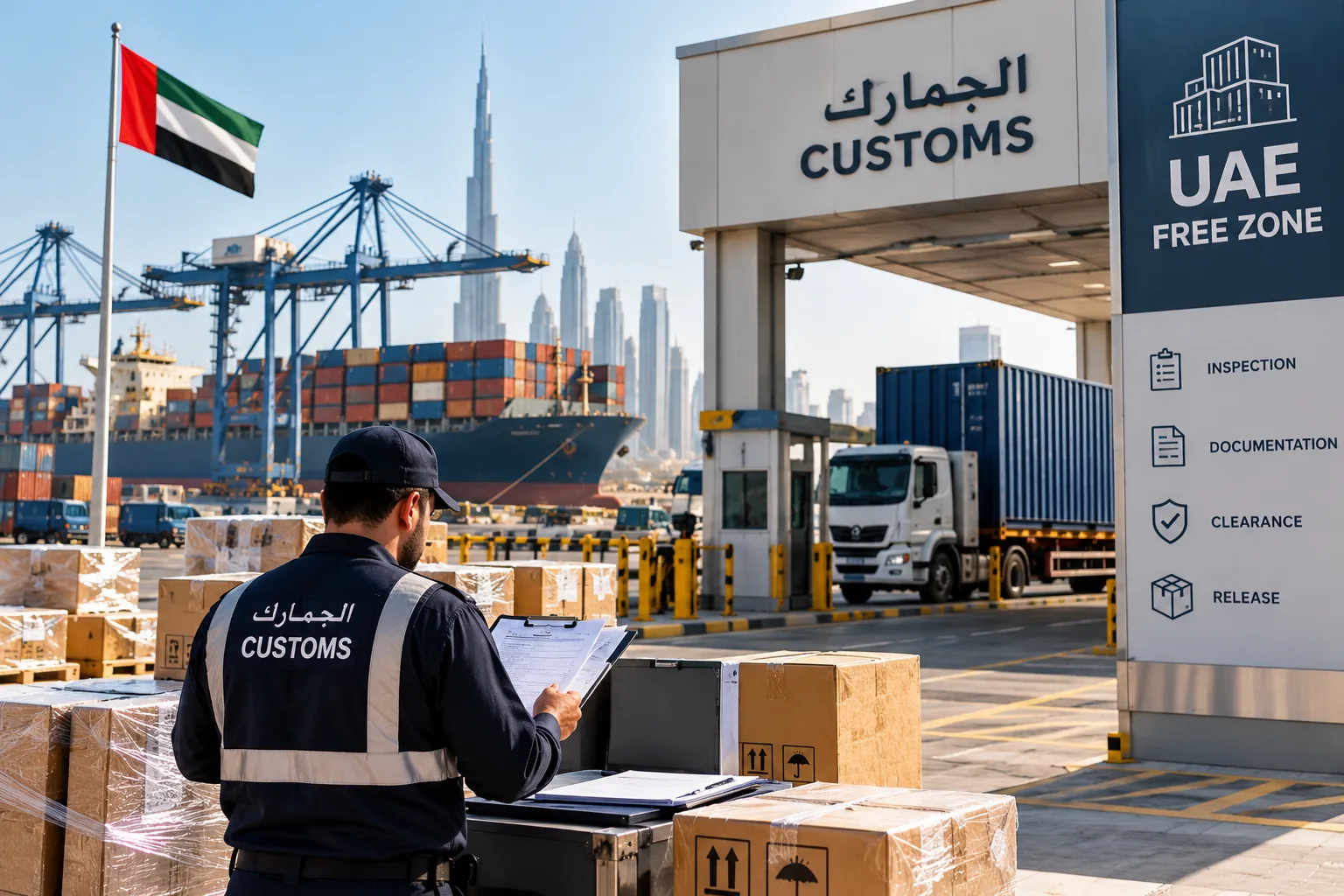
Free zones play an important role in the UAE’s trading and logistics industry. Businesses use them to import goods, store products, re export shipments and manage international trade with greater flexibility. However, being located in a free zone does not mean customs procedures can simply be skipped. Every shipment still needs the right documentation, declarations and approvals. At IMEX Cargo LLC, we help businesses manage Customs clearance Dubai requirements for free zone shipments while keeping the process accurate and properly coordinated.
What Makes Free Zone Customs Different?
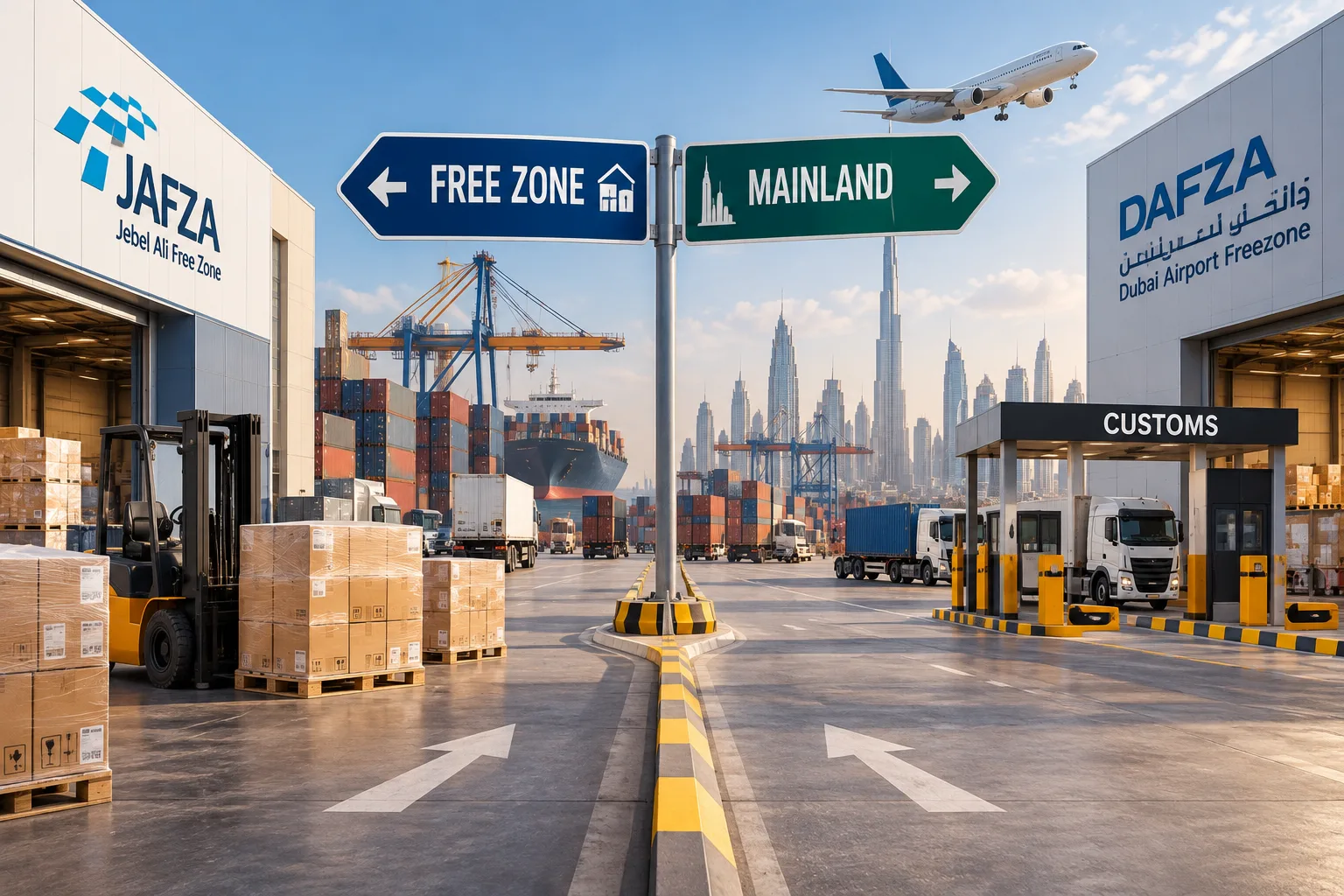
A free zone has its own customs procedures and operating requirements. Goods entering a free zone from outside the UAE may be handled differently from goods entering the UAE mainland. In many cases, customs duty is not charged simply because goods enter a free zone. The situation can change when those goods are moved into the UAE mainland.
This is why businesses need to understand where the cargo is going, what type of goods are being moved and what the final purpose of the shipment is. A shipment intended for storage or re export may follow a different process from goods being released into the local market.
At IMEX Cargo LLC, our customs team works with businesses handling shipments through major free zones including JAFZA and DAFZA. Our experience covers import and export documentation, tariff classification, duty coordination and communication with customs and port authorities.
Step 1: Prepare the Required Documents

The first part of customs clearance is getting the paperwork right. A typical shipment may require a commercial invoice, packing list, certificate of origin, bill of lading or airway bill, trade license information and customs declaration documents.
Certain products may also require additional approvals or permits. This can apply to regulated products, dangerous goods, chemicals, perfumes and other controlled cargo.
A small mistake in the product description, quantity, value or classification can create questions during clearance. Our team checks the documentation and coordinates the required customs formalities before the shipment moves forward.
Step 2: Identify the Correct HS Code
Every product needs to be classified under the appropriate HS code. This code helps customs authorities determine how the goods should be treated and whether duties or other requirements apply.
Incorrect classification can lead to delays, additional checks or incorrect duty calculations. This is especially important for businesses handling several types of products.
Our customs clearance service includes tariff classification support, helping clients determine the appropriate classification for their cargo and prepare the declaration correctly.
Step 3: Submit the Customs Declaration
Once the documents and product details are ready, the customs declaration can be submitted through the applicable customs system.
For free zone shipments, the declaration needs to reflect the actual movement of the cargo. Whether goods are entering a free zone, moving between approved locations, being re exported or being transferred towards the mainland, the transaction needs to be properly recorded.
This is where having an experienced customs team can make a real difference. At IMEX, our in house customs team manages documentation and coordinates with the relevant authorities so that the shipment follows the correct procedure.
Step 4: Customs Inspection and Approval
Not every shipment will require a physical inspection. Customs may review the documentation and shipment information based on the nature of the cargo and the applicable risk procedures.
If an inspection is required, accurate paperwork and clear product information can help avoid unnecessary complications. For dangerous goods, additional documentation and regulatory coordination may be required.
IMEX also handles dangerous goods cargo with support for classification, documentation, packaging, labeling and customs coordination. This is particularly useful for businesses moving products such as perfumes, chemicals and batteries.
Step 5: Duty and VAT Considerations

One of the biggest reasons businesses use UAE free zones is the flexibility they provide for international trade. However, businesses should not assume that every free zone shipment is automatically free from all customs or tax obligations.
The treatment can depend on where the goods are coming from, where they are going and whether they are eventually released into the UAE mainland. Duty and VAT requirements should therefore be checked before the shipment is processed.
Our customs team supports businesses with duty coordination and VAT compliance requirements, including eligible VAT refund support.
How IMEX Supports Free Zone Shipments
MEX Cargo LLC has more than 15 years of experience in freight forwarding, logistics and customs operations. We operate three warehouses in the UAE and have a JAFZA logistics facility that supports general and dangerous goods storage. Our location gives us practical access to major trade routes and important logistics hubs.
Our wider services also include air freight, ocean freight, land freight, perfume movement, packaging, warehousing, dangerous goods handling and courier services. For project shipments, we provide project cargo packing and support for oversized cargo movements as part of our logistics capabilities.
This means clients can manage more than just customs with one logistics partner. Cargo can be packed, stored, transported and cleared with the different stages coordinated through the same team.
Why Proper Planning Matters
Free zone customs clearance becomes much easier when the shipment is prepared before the cargo arrives. Having the correct documents, product classification, permits and shipment information ready can reduce unnecessary questions and delays.
At IMEX, we provide real time shipment updates and work with customs, ports and other relevant authorities throughout the process. Our goal is simple. We want to make the movement of your cargo easier while keeping every step compliant with the applicable requirements.
If your business regularly moves goods through UAE free zones, choosing the right logistics partner can save time and reduce avoidable customs issues. With our experience in Customs clearance Dubai, freight forwarding, warehousing and cargo handling, IMEX Cargo LLC can support your shipment from documentation through clearance and onward movement. Contact us at +971 4 282 3411 or email enquiry@imex.ae to discuss your shipment and get the right logistics support for your business.
Does IMEX Cargo LLC handle customs clearance for JAFZA shipments?
Yes. IMEX provides specialized customs clearance support for JAFZA and other free zone cargo in the UAE. Our team handles documentation, tariff classification, customs coordination and related clearance procedures.
Can IMEX handle dangerous goods moving through a free zone?
Yes. IMEX provides dangerous goods handling with support for classification, documentation, packaging, labeling and customs coordination. Our team works with cargo including perfumes, chemicals, batteries and other regulated materials.
Does IMEX provide warehousing along with customs clearance?
Yes. IMEX operates three warehouses in the UAE, including a JAFZA facility approved for dangerous goods storage. Warehousing services include secure storage, pick and pack, labeling and inventory control.
Can IMEX arrange transportation after customs clearance?
Yes. IMEX provides air freight, ocean freight and land freight services, allowing businesses to coordinate transportation along with customs clearance. Land freight services also cover door to door movement across the UAE and GCC.
How can I contact IMEX Cargo LLC for free zone customs clearance?
Contact us at +971 4 282 3411 or email enquiry@imex.ae. Our team can discuss your cargo, destination and customs requirements and help you choose the appropriate logistics solution. Contact us today for assistance with your shipment.