
International shipping does not always go according to plan. A shipment may reach its destination country only to be rejected by customs, refused by the recipient, or returned because of documentation issues. When this happens, the goods do not simply travel back to the original supplier without further procedures. The return process can involve customs formalities, additional transportation costs, storage, and coordination between several parties.
For businesses involved in international trade, understanding what happens when cargo is returned is important. The right approach can help reduce unnecessary delays, protect the goods, and make the return process easier to manage.
At IMEX Cargo LLC, we support businesses with freight forwarding, customs clearance, warehousing, packaging, and other logistics services to help manage different shipment requirements from Dubai to international destinations.
Why Are Imported Goods Returned to Their Country of Origin?

There are several reasons why an international shipment may need to return to its origin. Identifying the cause is the first step towards determining the appropriate solution.
Customs documentation issues: Missing certificates, incorrect commercial invoices, discrepancies in packing lists, or inaccurate product details can prevent a shipment from being cleared.
Import restrictions: Some products require special permits, approvals, or compliance documents before they can enter a country. If these requirements are not met, the shipment may be held or refused.
Recipient refusal: A buyer may reject goods because of damage, incorrect quantities, a cancelled order, or a disagreement over the shipment.
Regulatory or product compliance problems: Goods that do not meet the destination country’s applicable standards may be refused entry.
Commercial and delivery issues: Changes in business requirements, failed deliveries, or incorrect consignee details can also result in a return.
Not every rejected shipment must automatically be sent back. Depending on the circumstances, the available options may include correcting the paperwork, obtaining the necessary approvals, arranging delivery to another eligible destination, or re exporting the goods. The appropriate action depends on the reason for rejection and the applicable customs regulations.
What Happens When a Shipment Is Returned?
Returning imported goods involves more than arranging transportation. Several steps may be required before the cargo can leave the destination country and travel back to its origin.
1. The Reason for Return Is Identified
The first step is to establish why the shipment cannot be delivered as planned. The shipping company, freight forwarder, customs authorities, and importer may need to review the shipment status and relevant documents.
Understanding the reason for return helps determine whether the issue can be resolved locally or whether the goods need to be sent back.
2. Customs Procedures Must Be Addressed
Goods that have already entered a country or are still held under customs control may require specific procedures before they can be returned. Depending on the shipment, this may involve an export declaration, re export documentation, customs approval, or evidence of the original import.
Businesses should also confirm whether duties or taxes have already been paid and whether any refund or relief may be available. These arrangements depend on the applicable regulations and the shipment’s customs status.
For businesses dealing with international shipments through the UAE, IMEX provides customs clearance services in Dubai covering import and export documentation, customs coordination, tariff classification, and clearance at airports, seaports, and land borders.
3. The Return Shipment Is Arranged
Once the necessary procedures are confirmed, the next step is selecting a suitable transportation method. The choice depends on the cargo type, shipment size, destination, urgency, and cost.
Air freight may be suitable for urgent or time sensitive consignments. Ocean freight can be considered for larger shipments where transit time allows. Road transport may be appropriate for eligible movements within the UAE and across GCC countries.
IMEX offers air freight, ocean freight, and land freight and road transport to support different cargo requirements.
4. The Cargo Is Checked and Prepared for Transport
Before the goods leave, their condition, packaging, labels, and accompanying documents should be checked. Damaged packaging may need to be replaced, while certain cargo types may require additional handling or documentation.
For fragile, oversized, or regulated shipments, suitable preparation is particularly important. IMEX provides customized cargo packaging solutions, including crating, pallet packaging, repacking, and dangerous goods packaging, depending on the shipment requirements.
5. The Goods Return to the Origin Country
After the necessary approvals and transportation arrangements are completed, the shipment can move back towards its country of origin. The receiving country may require its own import or return procedures, so businesses should confirm the relevant requirements before dispatch.
Once the goods arrive, the importer or original supplier may need to arrange customs processing, inspection, storage, or onward delivery. Keeping the original shipping documents and return records available can help simplify these steps.
What Happens If the Goods Cannot Be Returned Immediately?
Sometimes a shipment cannot be returned as soon as the decision is made. Documentation may still be under review, transportation capacity may be limited, or the business may need time to decide what to do with the cargo.
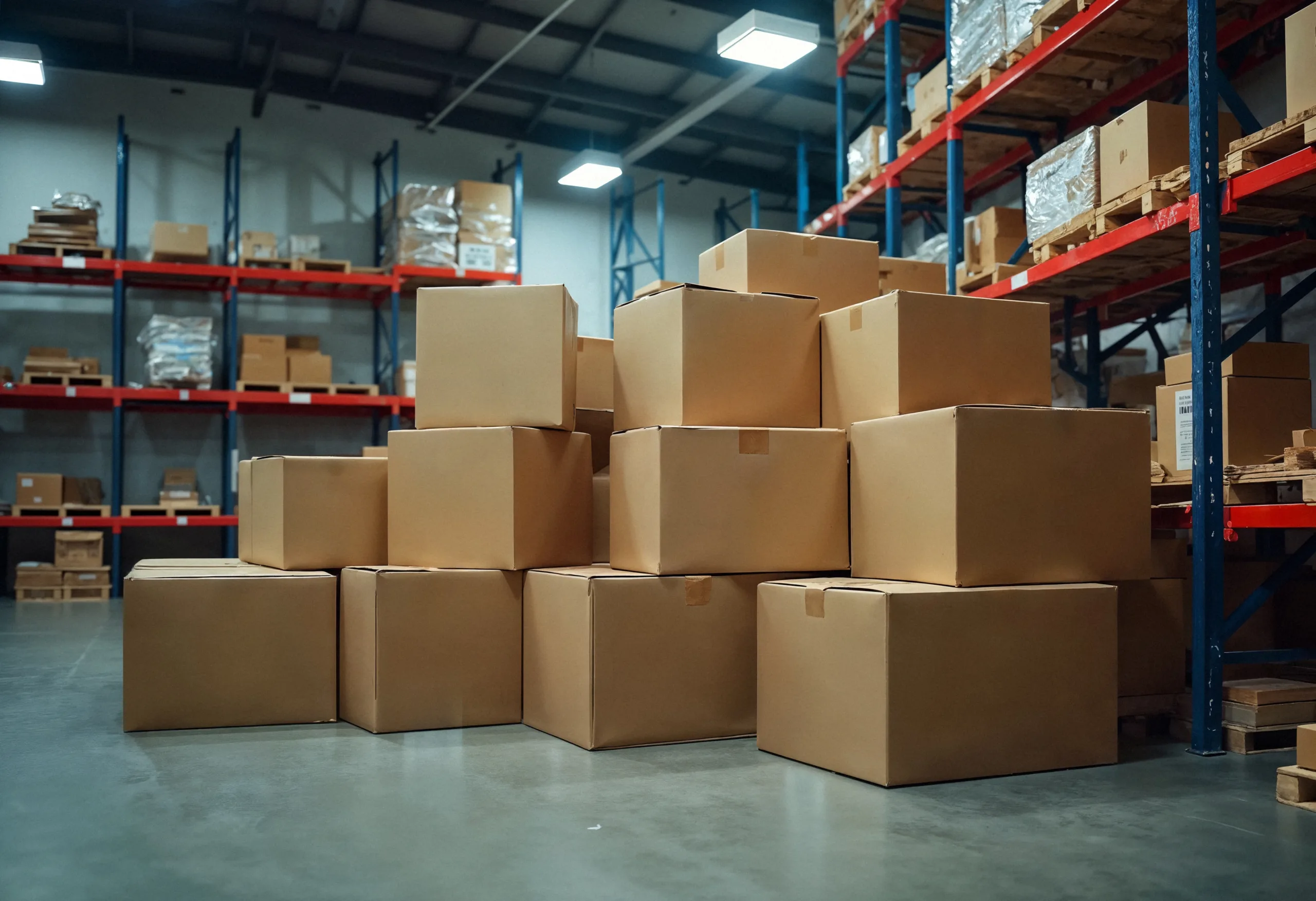
In these situations, secure storage can help protect the goods while the next steps are arranged. Depending on the type of cargo and its regulatory status, temporary warehousing, inventory checks, relabelling, or repacking may be necessary.
IMEX operates three warehouses in the UAE, offering secured storage, pick and pack, labelling, and inventory management. Its JAFZA facility also supports dangerous goods storage under applicable requirements.
For cargo that needs specialized handling, IMEX provides dangerous goods handling and documentation support. Businesses shipping fragrances should pay particular attention to these requirements, as alcohol based perfumes can be subject to dangerous goods regulations depending on their composition and mode of transport. Our guide to shipping alcohol based fragrances internationally explores these considerations in more detail.
How IMEX Supports Businesses When Shipments Need to Be Returned
A returned shipment can involve several services, particularly when the cargo needs to move through customs, remain in storage, undergo repacking, and travel back to its original destination.
IMEX Cargo LLC offers a range of logistics services to help businesses coordinate these requirements.
Air freight: International air cargo solutions for eligible shipments, including urgent and time sensitive consignments.
Ocean freight: Full container load and less than container load options for different shipment volumes.
Land freight: Road transportation within the UAE and across GCC destinations, including door to door delivery and specialized trailer options.
Perfume movement: Specialized logistics support for fragrance shipments, including applicable handling and transport requirements.
Packaging solutions: Crating, wooden boxes, pallet packaging, repacking, and dangerous goods packaging.
Warehousing and distribution: Secure storage, inventory control, pick and pack, and labelling services.
Dangerous goods handling: Support with cargo classification, documentation, packaging, labelling, and carrier coordination.
Customs clearance: Import and export documentation support and customs coordination across airports, seaports, and land borders.
Courier services: International delivery solutions for eligible documents, parcels, samples, and commercial shipments.
With more than 15 years of experience in freight forwarding and logistics, IMEX helps businesses plan transportation and coordinate the services required for different cargo movements. The exact solution depends on the shipment’s condition, customs status, destination, and applicable regulations.
How Can Businesses Reduce the Risk of Returned Shipments?
Although returns cannot always be avoided, proper preparation can reduce the likelihood of preventable problems.
Before dispatching cargo, businesses should:
- Verify the consignee details, delivery address, and product information.
- Confirm that the destination country permits the goods to be imported.
- Prepare accurate commercial invoices, packing lists, and other required documents.
- Check whether the cargo needs permits, certificates, or dangerous goods documentation.
- Choose packaging suitable for the goods and their transportation method.
- Confirm the customs requirements at both the origin and destination.
- Work with a logistics provider that can coordinate transportation and clearance requirements.
Documentation deserves particular attention when cargo crosses multiple borders. Inaccurate or inconsistent paperwork can create delays during both the original shipment and the return journey. Our upcoming guide to proper documentation for cross border cargo transportation will cover the documents and checks businesses should consider before dispatch.
Manage Returned Shipments With the Right Logistics Support
When imported goods need to return to their country of origin, the process requires careful coordination between customs procedures, transportation, documentation, and cargo handling. Acting quickly, identifying the reason for return, and confirming the applicable requirements can help businesses avoid unnecessary complications.
IMEX Cargo LLC provides freight forwarding, customs clearance, warehousing, packaging, dangerous goods handling, courier services, and specialized perfume movement to support a wide range of logistics requirements from Dubai.
If your shipment has been rejected, delayed, or needs to be returned to its origin, contact IMEX Cargo LLC to discuss the cargo details, current location, destination, and available transportation options.
Contact IMEX Cargo LLC
Phone: +971 4 282 3411
Email: enquiry@imex.ae
Can imported goods be returned to their country of origin?
Yes, imported goods can often be returned, but the process depends on the reason for return, the shipment’s customs status, and the regulations of the countries involved. Customs approval and appropriate documentation may be required.
Who pays for returning an international shipment?
The cost depends on the sales agreement, shipping terms, reason for return, and arrangements between the buyer, seller, carrier, and other parties. Charges may include return freight, storage, handling, customs processing, and repackaging.
Can customs clearance issues be corrected without returning the goods?
In some cases, yes. Missing documents or incorrect information may be corrected if the applicable customs authorities permit it. Other cases may require re export or another approved solution.
Can returned goods be stored in Dubai before being shipped back?
Yes, storage may be possible depending on the cargo type, customs status, and facility requirements. IMEX offers warehousing services in the UAE, including secure storage and inventory management.
Does IMEX handle both the transportation and customs requirements for returned cargo?
IMEX provides air, ocean, and land freight services alongside customs clearance and other logistics solutions. The services available for a particular return shipment depend on its origin, destination, cargo type, and regulatory requirements. Contact the team to discuss your specific shipment.